I take AI apart: the strategies, the bets, the products, and the machine underneath.
Right now: running the pilot of the Convergence Test
scroll. everything here came out of this head
every line runs back to where the thought started. click a name to open it
Strategy
Why companies make the moves they make.
- NoteWhat is a moat when the model isn't yours?
- NoteSame model, different wiring
- EssayGet friendly with the AI race
- NoteThe convergence tax
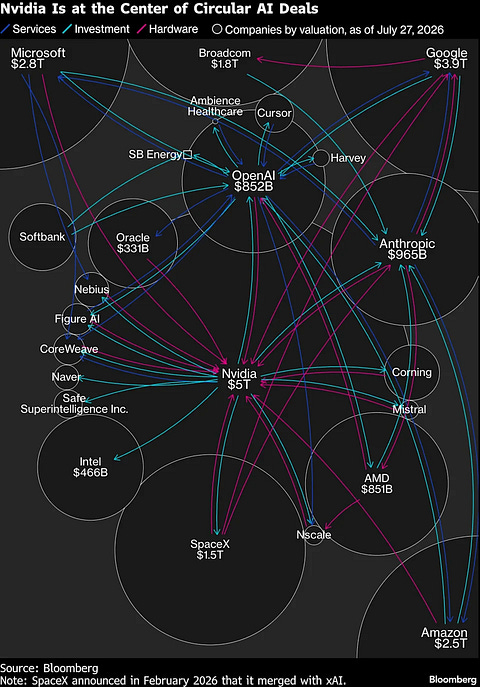
- VisualizationYou can't buy your way out
- NoteDistribution is rented attention
 AAA-Rated GPUs
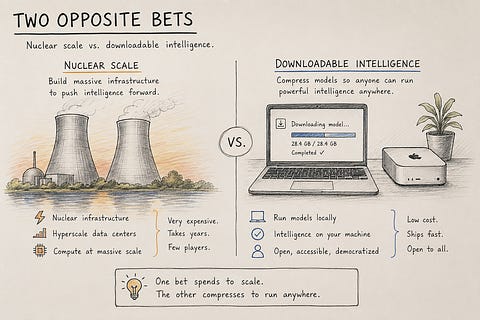 What Becomes Scarce After Intelligence?
 Google Wants AI to Become Boring
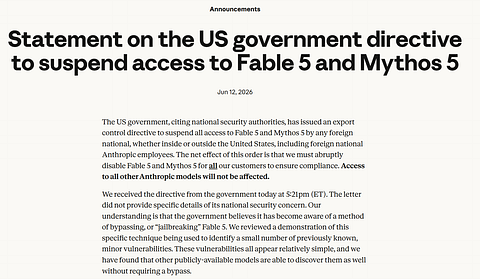 The Wall That Wasn’t Yours
 Uber Burned a Year of AI Budget in Four Months. A Rat Catcher in 1902 Knew Why
Theses
Bets on where the money goes next.
- VisualizationThe periodic table of the AI stack
- NoteThe problem-selection premium
- NoteThe luxury of reality
- NoteThe verification economy
- VisualizationThe bets against the wall
- VisualizationWho got paid
- NoteThe aura dividend
- ModelThe value migration machine
.jpg?width=480) What becomes scarce when intelligence becomes cheap?
What becomes scarce when intelligence becomes cheap?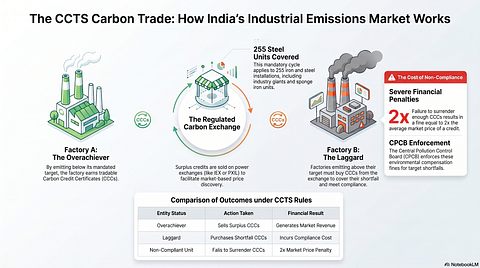 India’s Carbon Markets : A New Test for Global Climate Policy
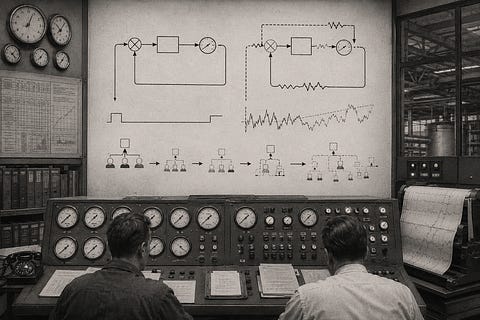 The Speed of Being Wrong
 Finding a Flat in India Is Broken. We Have the Technology to Fix It. Nobody With Power Wants To.
 Why We Can Never Have Good Social Media
 Gen Z Is Going Offline
Product
Teardowns of what gets built, and why it works.


Systems
How the machine actually works.
- VisualizationHow a chatbot writes one word
- VisualizationThe grid is the last wall
- ExplainerWhy this paper matters
- VisualizationHow electricity becomes intelligence
- CollectionA shelf for thinking about cheap intelligence
 Nineteen Public Keys
- EssayAI Has Passed Every Exam. It Has Never Had an Idea.
 The Rate-Limiting Step
.jpg?width=1280) judgement, sitting idlethe problem nobody solvedtime: still scarcea perfect tool, unused
judgement, sitting idlethe problem nobody solvedtime: still scarcea perfect tool, unusedWhat becomes scarce when intelligence becomes cheap?
Every time something becomes abundant, the value moves next door. A search for the next door.
Economists have an old, unglamorous rule that explains more about technology than most futurism does. When something becomes abundant, its price falls toward the cost of making it, and the value moves to whatever is still scarce next to it. Printing made copies cheap and made authors and editors valuable. Search made facts cheap and made attention expensive. The interesting question about cheap intelligence is not what it replaces. It is what it sits next to.
Keep reading, 3 min →